
DMCC Audit Regulations Explained: Complete Guide for Businesses in Dubai
 April 23, 2026
3 min read
April 23, 2026
3 min read
The Dubai Multi Commodities Centre (DMCC) is one of the most trusted free zones in the UAE, hosting thousands of international companies. However, along with its benefits, DMCC enforces strict compliance frameworks. Among them, DMCC audit regulations are essential for maintaining transparency, financial discipline, and regulatory compliance.
In this guide, we break down DMCC audit requirements, deadlines, compliance rules, and how businesses can stay fully aligned with DMCC authority standards.
What Are DMCC Audit Regulations?
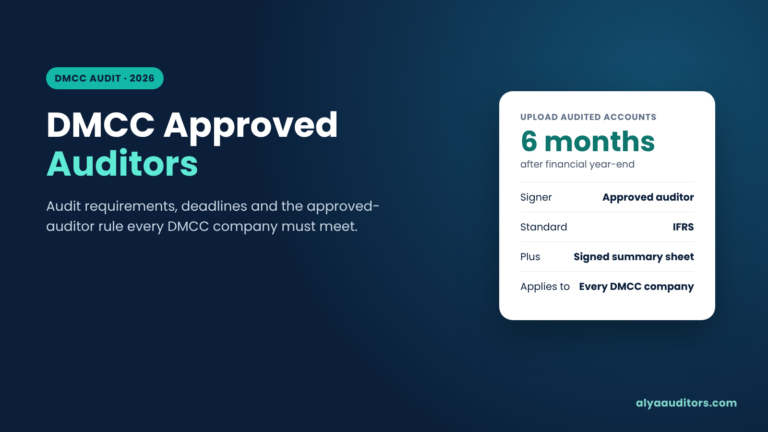
DMCC audit regulations require all registered companies to prepare and submit annual audited financial statements. These statements must follow International Financial Reporting Standards (IFRS) and be audited by a DMCC-approved auditor.
This ensures that all companies operating in the free zone maintain accurate and transparent financial reporting.
👉 Related internal resource:
Learn more about audit compliance here:
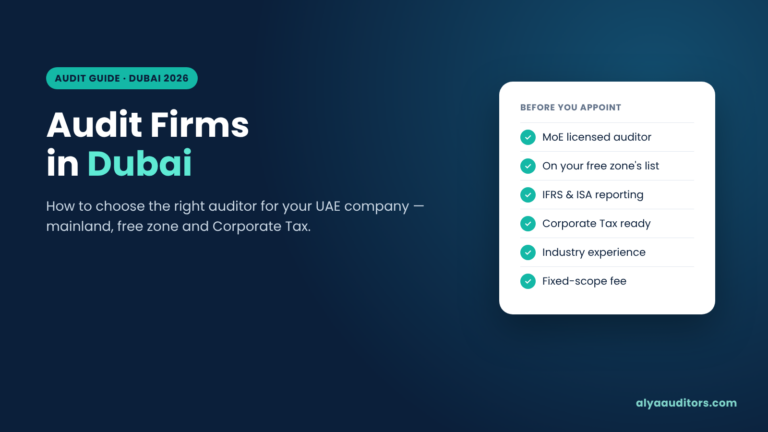
https://alyaauditors.com/audit-firms-in-dubai/
Why DMCC Audit Compliance is Important
DMCC audit regulations are not just a legal requirement—they also provide business advantages:
- Ensures financial transparency and credibility
- Builds trust with investors and banks
- Helps detect fraud or financial mismanagement
- Supports smooth trade license renewal
- Strengthens corporate governance
Moreover, compliant companies often find it easier to secure funding and expand operations in the UAE.
Who Must Follow DMCC Audit Rules?
All DMCC-registered entities are required to comply, including:
- Trading companies
- Service providers
- Holding companies
- Consultancy firms
- Startups and SMEs
Regardless of size or revenue, annual audit submission is mandatory for all DMCC entities.
DMCC Audit Deadline
Typically, DMCC requires audited financial statements to be submitted within:
90 days from the end of the financial year
For example:
- Year-end: 31 December
- Submission deadline: 31 March
Failure to meet deadlines may lead to penalties or complications during license renewal.
Key DMCC Audit Requirements
To remain compliant, businesses must ensure the following:
- Proper bookkeeping throughout the financial year
- Preparation of financial statements (Balance Sheet, P&L, Cash Flow)
- Audit conducted by DMCC-approved audit firms
- Compliance with IFRS standards
- Submission via DMCC online portal
👉 Related internal link:
Explore audit services here:
https://alyaauditors.com/audit-in-free-zones/
Role of DMCC Approved Auditors
Only auditors officially approved by DMCC can conduct statutory audits. These professionals ensure:
- Accurate financial reporting
- Full regulatory compliance
- Identification of financial risks
- Advisory support on VAT and corporate tax
👉 External reference:
DMCC official regulations:
https://www.dmcc.ae/
👉 UAE financial reporting standards:
https://www.mof.gov.ae/en/
Choosing the right auditor is crucial for avoiding compliance risks and penalties.
Consequences of Non-Compliance
Failure to comply with DMCC audit regulations may result in:
- Financial penalties
- Delay or rejection of license renewal
- Suspension of business activities
- Legal and regulatory issues
Therefore, timely audit submission is essential for uninterrupted business operations.
How to Ensure Smooth DMCC Audit Compliance
Businesses can ensure compliance by following best practices:
- Maintain updated accounting records throughout the year
- Use professional accounting software
- Work with DMCC-approved auditors
- Conduct internal financial reviews regularly
- Submit audit reports before deadlines
Moreover, proactive financial management reduces last-minute stress and errors.
DMCC audit regulations are designed to ensure financial transparency, regulatory compliance, and business credibility within one of Dubai’s most important free zones. By maintaining proper accounting records and working with approved auditors, businesses can ensure smooth compliance and long-term success.
Ultimately, DMCC audit compliance is not just a legal obligation—it is a strategic advantage for sustainable business growth in the UAE.
Other Services offered by Alya Auditors

Keep reading

Ready to Start?
Talk to a UAE compliance expert
Book a free, no-obligation consultation with ALYA Nexus Auditing.
Book Free Consultation ↗