
UAE Audit Requirements & Trends 2026 | Business Compliance Guide
 January 8, 2026
3 min read
January 8, 2026
3 min read
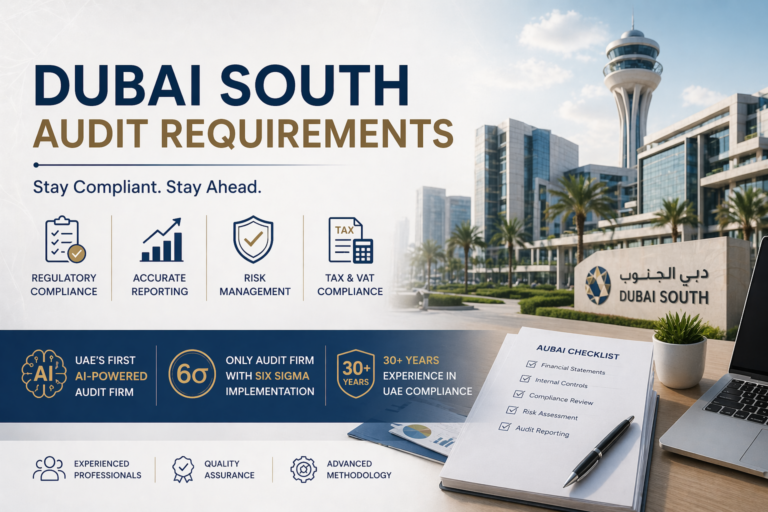
In the UAE, auditing is witnessing a transformation that is nothing short of significant as the regulators are demanding more and more transparency, digital records and tax-driven audit readiness. Audits are now seen as an essential risk management tool rather than just a formal necessity owing to the changes in corporate tax, VAT law modifications and the rigorous enforcement of compliance. The present audit demands in the UAE are discussed in detail in this article along with more trends to watch for in 2025–2026, and the necessary preparations for businesses.
1. Is Audit Mandatory in the UAE?
Audit requirements in the UAE depend on the legal structure and jurisdiction of the business:
-
Mainland LLCs (as per Commercial Companies Law and licensing authority requirements)
-
Most Free Zone companies (as required by Free Zone Authorities)
-
Companies registered for Corporate Tax
-
Businesses applying for VAT refunds or tax residency certificates
-
Entities seeking bank financing, investors, or regulatory approvals
🔍 Trend: Even where audit is not legally mandatory, authorities and banks increasingly demand audited financial statements.
2. Growing Link Between Audit, VAT, and Corporate Tax
Why audits matter more now
VAT audits by the FTA rely heavily on audited financials
Corporate Tax filings require accurate, reconciled accounts
Errors in financial statements can trigger tax audits and penalties
📌 Key Insight: A weak audit trail increases the risk of FTA scrutiny and reassessments.
3. UAE Audit Focus Areas in 2025–2026
Auditors in the UAE are now focusing on the following high-risk areas:
a. Revenue Recognition
-
Matching turnover with VAT returns
-
Ensuring correct classification of taxable and exempt supplies
b. Expense Verification
- Supporting documents for input VAT claims
- Detection of non-deductible or personal expenses
c. Related Party Transactions
-
Alignment with Corporate Tax and transfer pricing principles
-
Arm’s length documentation readiness
c. Related Party Transactions
-
Use of FTA-compliant accounting software
-
Proper electronic audit trails
4. Impact of 2026 VAT & Tax Law Amendments on Audits
Recent amendments effective from January 2026 have made audits more critical than ever.
Key impacts on audit
-
Removal of self-invoice requirements under reverse charge increases reliance on external documentation
-
Five-year limit on VAT refunds requires historical audit validation
-
Expanded FTA powers mean audited records must withstand tax inspection
⚠️ Risk Alert: Businesses without clean audits may face rejected VAT refunds or prolonged FTA audits.
5. Rise of Digital & Risk-Based Auditing in the UAE
Current trends
-
Use of data analytics in audit testing
-
Greater reliance on system-generated reports
-
Focus on fraud risk assessment and internal controls
📊 Outcome: Faster audits, deeper insights, and higher compliance expectations.
6. Common Audit Mistakes UAE Businesses Make
❌ Incomplete bookkeeping
❌ Poor VAT reconciliations
❌ Missing supporting documents
❌ Late audit finalisation
❌ Treating audits as a “licensing requirement” only
✔ Solution: Engage auditors early and maintain year-round compliance.
7. How to Prepare for a UAE Audit
To ensure a smooth audit process, businesses should:
-
Maintain updated books of accounts
-
Use FTA-approved accounting software
-
Reconcile VAT and revenue regularly
-
Keep contracts, invoices, and bank records organised
-
Work with registered UAE audit firms
Audits in the UAE are no longer limited to regulatory compliance—they are now directly connected to tax risk, financial credibility, and business sustainability. With stricter enforcement and 2026 reforms approaching, businesses that prioritise audit readiness will gain a strong compliance advantage.
Partnering with an experienced UAE audit firm ensures accuracy, transparency, and peace of mind.
Corporate Tax audit support in the UAE


Ready to Start?
Talk to a UAE compliance expert
Book a free, no-obligation consultation with ALYA Nexus Auditing.
Book Free Consultation ↗